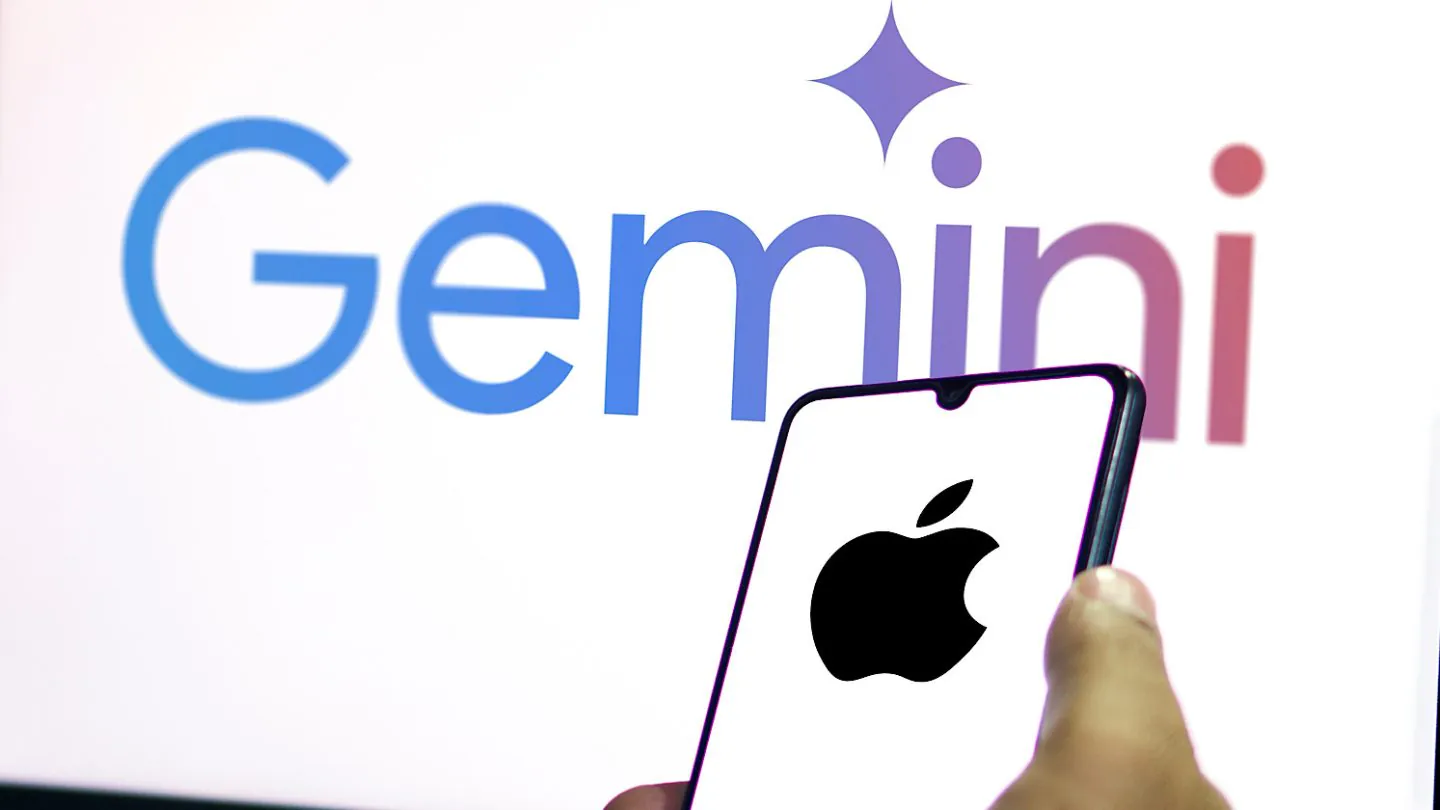
Breaking news in the tech world: Two of Silicon Valley’s biggest rivals have announced a groundbreaking partnership that will reshape the future of AI on Apple devices.
A Historic Partnership Confirmed
In a move that marks a significant shift in Apple’s traditionally closed ecosystem, the Cupertino tech giant has officially partnered with Google to integrate Gemini AI technology into its foundational AI models, including a long-awaited overhaul of Siri. This multi-year collaboration brings together two companies that have historically competed in the mobile and AI spaces.
According to a joint statement from both companies, Apple selected Google’s technology after thorough evaluation, describing it as providing “the most capable foundation for Apple Foundation Models.” The partnership promises to unlock innovative new experiences for Apple users across iPhone, iPad, and Mac devices.
The Billion-Dollar Deal
While neither company has officially confirmed the financial terms, industry reports suggest Apple could be paying Google approximately $1 billion for access to its advanced AI technology. This substantial investment underscores Apple’s commitment to catching up in the AI race, where competitors like OpenAI’s ChatGPT and Google’s own Gemini have captured public imagination and market share.
The deal is notably not exclusive, allowing Apple flexibility to explore other AI partnerships while leveraging Google’s powerful cloud infrastructure and Gemini models. Sources familiar with the matter confirm that Apple tested competing technologies from OpenAI and Anthropic before finalizing this agreement with its longtime partner.
Why This Partnership Matters
Apple’s AI Struggles
Apple has faced mounting criticism over its AI capabilities, particularly regarding Siri, which has lagged behind competitors like Amazon’s Alexa, Google Assistant, and newer AI chatbots. Despite the company’s renowned engineering prowess and focus on user experience, Siri has become somewhat of a punchline in tech circles for its limited capabilities and frequent misunderstandings.
The company did launch Apple Intelligence in 2024, adding AI features to existing functions like photo search and notification summaries. However, these updates have been described as subtle and sometimes invisible—lacking the “wow factor” that has made ChatGPT and similar tools viral sensations. Some users have even expressed frustration with features like AI-generated notification summaries, which haven’t always met expectations.
A Privacy-First Approach Continues
True to its brand promise, Apple emphasizes that it will maintain its stringent privacy standards throughout this partnership with Google. Much of the AI processing is expected to happen on-device or through tightly controlled infrastructure, a approach that differentiates Apple from competitors who rely more heavily on cloud-based processing.
This privacy-focused strategy has been both a strength and a limitation. While users appreciate the security, it has constrained the kinds of AI experiences Apple can deliver compared to competitors with more extensive cloud-based systems.
The Long-Awaited Siri Upgrade
Perhaps the most exciting aspect of this partnership for everyday users is the promised Siri overhaul. Apple has repeatedly delayed the rollout of what it calls a “more personalized Siri,” but an Apple spokesperson confirmed to TechCrunch that an upgrade is finally coming this year, with previous reports suggesting a spring 2026 launch.
The enhanced voice assistant is expected to leverage Google’s Gemini technology to deliver more natural conversations, better context understanding, and more useful responses—features that users have been requesting for years.
The Antitrust Elephant in the Room
This partnership announcement comes at a particularly interesting time for Google, which is currently navigating multiple antitrust lawsuits. In August 2024, a federal judge ruled that Google illegally maintained a monopoly in online search by paying companies like Apple to make its search engine the default on devices and browsers.
Between 2021 and 2022 alone, Google paid Apple approximately $38 billion to secure default search placements—a relationship that drew intense scrutiny during the trial. In December 2025, Judge Amit Mehta issued final remedies that ban Google from entering exclusive, default agreements lasting longer than one year.
This new AI partnership, while different from the search agreement, will certainly face examination given the regulatory environment and Google’s ongoing legal challenges.
What This Means for the Tech Industry
The Apple-Google AI partnership represents a significant departure from Apple’s historical approach of vertical integration, where the company preferred to develop its own hardware and software in-house. This shift signals several important trends:
- AI’s Strategic Importance: Apple’s willingness to partner externally demonstrates just how critical AI capabilities have become to remaining competitive in the consumer technology market.
- The Power of Established Relationships: Despite exploring options with OpenAI and Anthropic, Apple ultimately chose Google—a partner it has worked with for years through the Safari search default agreement.
- Consolidation of AI Power: This deal further concentrates AI capabilities among a handful of major tech companies, raising questions about competition and innovation in the space.
Looking Ahead
As we move through 2026, Apple users can expect to see gradual improvements in their AI-powered experiences, starting with the revamped Siri expected this spring. The integration of Google’s Gemini technology should bring more sophisticated natural language understanding, better contextual awareness, and more helpful responses across Apple’s ecosystem.
For Google, this partnership provides another major revenue stream and validates its Gemini technology as competitive with offerings from OpenAI and other AI leaders. It also strengthens Google’s position in the AI infrastructure market, even as it faces regulatory pressures on other fronts.
The success of this partnership will likely depend on how well Apple can integrate Google’s technology while maintaining the privacy protections and seamless user experience that have defined the Apple brand. If executed well, it could finally give Apple users the AI assistant they’ve been waiting for.
What are your thoughts on Apple partnering with Google for AI? Will this finally deliver the Siri upgrade users have been demanding? Share your opinions in the comments below.
Leave a Reply