
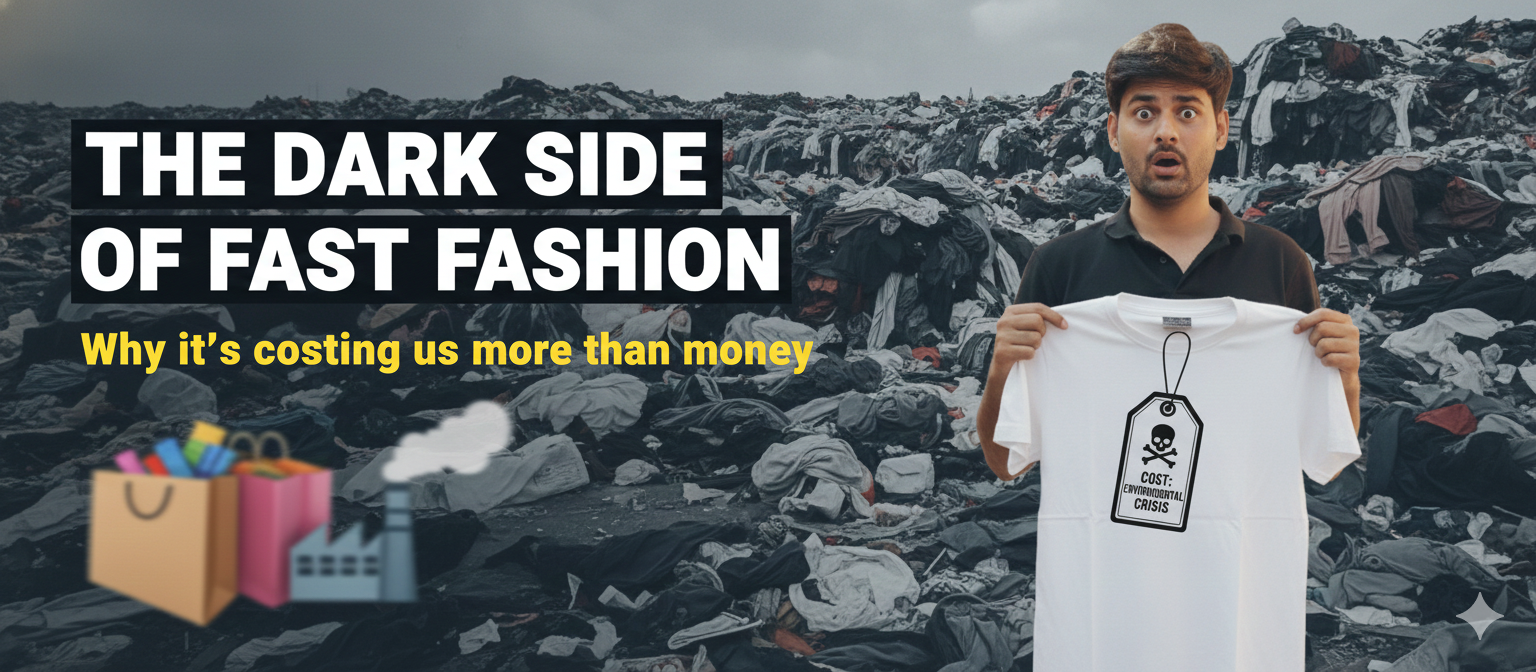
We all love a good bargain. The thrill of a new outfit, the latest trend at an unbeatable price – fast fashion brands have mastered the art of delivering instant gratification. But beneath the shiny veneer of cheap chic lies a much darker reality. What if those incredible deals are actually costing us, and the planet, far more than we realize?
The truth is, fast fashion’s true price tag extends far beyond the numbers on your receipt. It’s an economic, environmental, and human rights crisis woven into every stitch.
The Treadmill of Trends: A Cycle of Waste
Fast fashion thrives on speed. Gone are the traditional four seasons; now, brands churn out new collections weekly, even daily. This relentless pace creates an insatiable demand for novelty, encouraging us to buy more, wear less, and discard quickly.
- Environmental Disaster: This rapid turnover translates directly into massive waste. Landfills are overflowing with discarded textiles, many of which are synthetic (polyester, nylon) and take hundreds of years to decompose. The dyeing processes pollute waterways, and the extensive transportation required to ship clothes globally contributes significantly to carbon emissions.
- Resource Depletion: Producing countless garments demands an immense amount of resources – water for cotton, crude oil for synthetics, and energy for manufacturing. This unsustainable consumption puts an enormous strain on our planet’s finite resources.
Human Cost: The Invisible Laborers
Who makes these clothes so cheaply? The answer is often exploited workers in developing countries. To maintain razor-thin margins and meet impossible production deadlines, brands often rely on:
- Low Wages & Poor Conditions: Garment workers, predominantly women, are paid poverty wages and subjected to long hours in unsafe factories. Basic rights, like unionization and fair treatment, are often non-existent.
- Child Labor: Disturbingly, child labor remains a persistent issue in some parts of the supply chain, particularly in the production of raw materials or in subcontracted factories.
The Economic Trap: Quality vs. Quantity
While fast fashion appears to save you money upfront, it’s often a false economy. The low prices are achieved by using cheap, low-quality materials and rushed construction. This means:
- Shorter Lifespan: Your trendy top might only last a few washes before losing its shape, fading, or falling apart. This forces you to buy replacements more frequently, ultimately spending more over time.
- Hidden Costs: The environmental cleanup and social welfare programs required to mitigate fast fashion’s damage are costs borne by taxpayers and communities, not just the brands profiting from the system.
Breaking Free: Towards a Conscious Closet
Recognizing the dark side of fast fashion isn’t about shaming anyone; it’s about empowering ourselves to make more informed choices. Here’s how we can start shifting towards a more sustainable and ethical approach:
- Buy Less, Choose Well: Invest in fewer, higher-quality pieces that will last longer and can be styled in multiple ways.
- Embrace Secondhand: Thrifting, vintage shops, and online resale platforms are treasure troves of unique and sustainable fashion.
- Repair & Repurpose: Learn basic mending skills or get creative with DIY alterations to extend the life of your clothes.
- Research Brands: Support brands that are transparent about their supply chains, use sustainable materials, and pay fair wages.
- Wash Smarter: Use cold water, wash less frequently, and air dry to reduce energy consumption and prolong garment life.
The revolution against fast fashion begins with awareness. By understanding its true cost, we can make choices that not only benefit our wallets in the long run but also protect our planet and uphold human dignity. Let’s dress with intention, not just impulse.
Leave a Reply