Introduction to AI in Education
The integration of Artificial Intelligence (AI) into the education sector represents a significant paradigm shift, changing how schools manage their operations and enhance learning outcomes. AI-powered school management systems are becoming increasingly vital as they enable educational institutions to transition from conventional methodologies to more innovative frameworks that leverage technology for improved efficiency and effectiveness.
At its core, AI refers to the simulation of human intelligence processes by machines, particularly computer systems. These processes include learning, reasoning, problem-solving, perception, and language understanding. Unlike traditional educational systems that rely heavily on standardized curricula and manual administrative processes, AI introduces a more personalized approach to education. Each student’s learning preferences and progress can be monitored in real-time, allowing educators to tailor instructional methods and support to meet individual needs.
The urgency for educators to adopt AI technology is underscored by the rapid evolution of digital tools that have redefined student engagement and administration. Educational institutions that embrace AI can create dynamic learning environments—fostering collaboration, enhancing accessibility, and making data-driven decisions. The deployment of AI in school management not only streamlines administrative functions, such as attendance tracking and grading, but also facilitates extensive data analysis to inform strategic educational initiatives.
Moreover, as global educational standards rise, it has become essential for schools to keep pace with technological advancements. By leveraging AI capabilities, educational institutions can offer high-quality learning experiences that equip students with the skills required for the modern world. With innovations in AI rapidly advancing, the future of education appears promising, teeming with opportunities to enhance both teaching and learning.
Key Features of AI-Powered School Management Systems
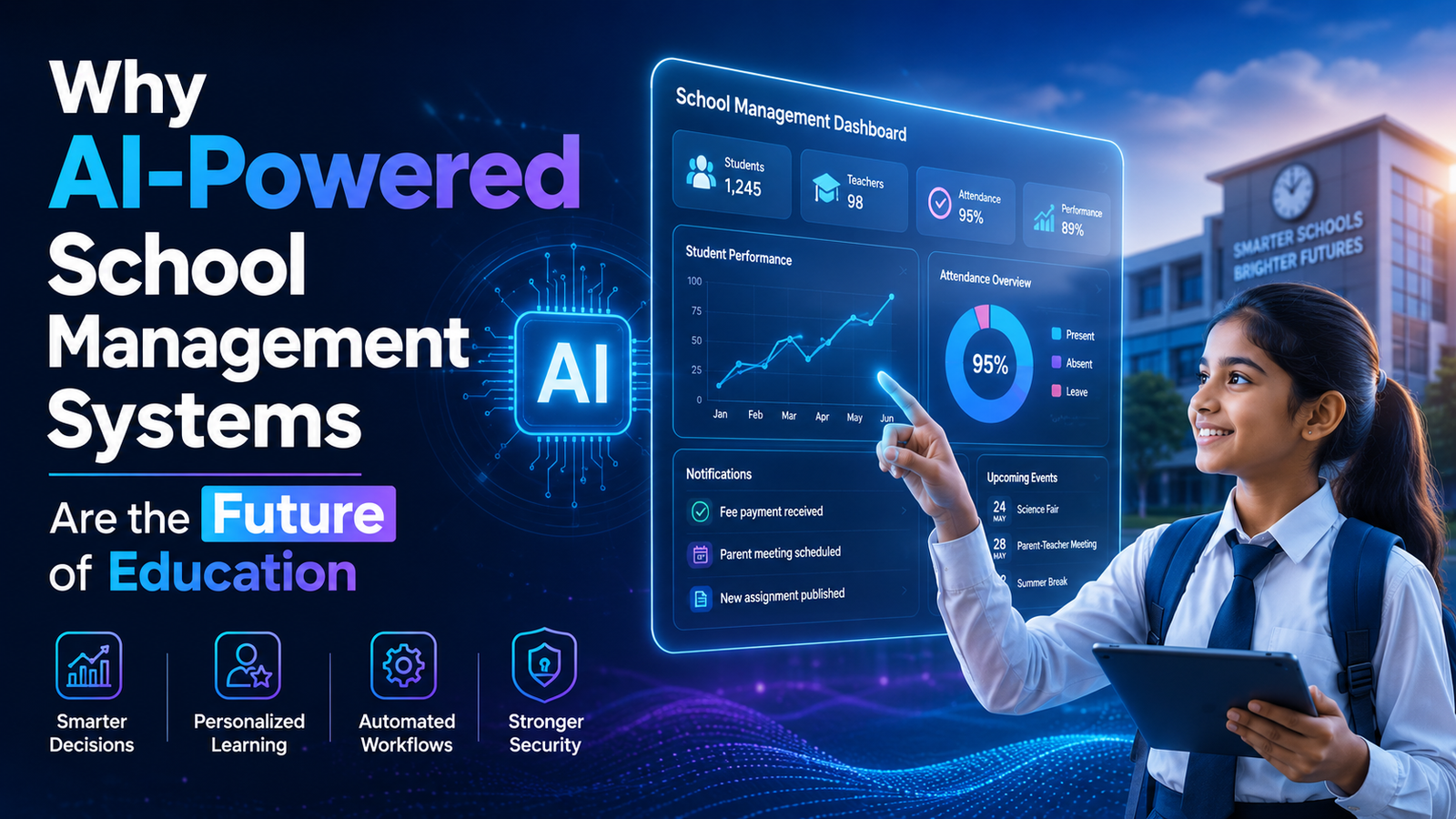
AI-powered school management systems are transforming the educational landscape by streamlining administrative processes and enhancing the learning experience. One of the key features of these systems is the automation of administrative tasks. Schools often face overwhelming paperwork and manual processes, which can lead to inefficiencies. By automating these tasks, such as attendance tracking, grading, and scheduling, educators can save time and focus more on teaching.
Another essential functionality is data analysis, which aids in informed decision-making. AI algorithms can process vast amounts of data to identify trends and patterns in student performance, attendance, and engagement levels. This intelligence allows school administrators and teachers to make data-driven choices that support educational outcomes and resource allocation.
Personalization of student learning experiences is another significant feature of AI-powered systems. By utilizing analytics, schools can tailor educational content to meet the unique needs of each student. This ensures that students receive instruction that matches their learning styles and pace, thereby promoting better understanding and retention of knowledge.
Enhanced communication channels between teachers and parents are also a crucial aspect of these systems. AI-driven platforms facilitate seamless communication, allowing educators to provide real-time updates on student progress and share important information quickly. This fosters a collaborative environment that engages parents in their children’s education, leading to better academic success.
Lastly, data security measures are a top priority in AI-powered school management systems. With the increasing reliance on technology, safeguarding sensitive student information is paramount. Effective security protocols ensure that student data is protected from unauthorized access, thereby maintaining privacy and trust within the educational community.
Benefits of Implementing AI in Schools
The integration of Artificial Intelligence (AI) within school management systems presents numerous benefits that can enhance the operational efficiency and educational outcomes of institutions. One of the primary advantages is the significant increase in efficiency. By automating administrative tasks such as attendance tracking, scheduling, and reporting, AI reduces the time educators spend on paperwork, allowing them to focus on instructional activities.
Another critical benefit is the reduction of workload for educators. Teaching professionals often grapple with a myriad of responsibilities, from lesson planning to grading assignments. AI can assist in these areas through intelligent tutoring systems and grading software, which can analyze student work and provide instant feedback. This not only frees up educators’ time but also ensures that students receive timely responses that foster their learning process.
Furthermore, AI-powered school management systems can improve student engagement and learning outcomes. Using personalized learning experiences, AI can tailor educational content to meet each student’s unique needs, often resulting in improved academic performance. Analytics provided by these systems can identify areas where students struggle, allowing for necessary interventions to be implemented promptly.
Real-time performance tracking also serves as a notable advantage. Administrators can monitor student progress and attendance seamlessly, making it easier to identify those who may need additional support. This proactive approach can contribute to higher retention rates and ensure that all students are receiving the attention they require.
Finally, schools can leverage big data generated through AI systems for strategic planning. By analyzing trends and patterns, educational leaders can make data-informed decisions that drive improvement in curriculum development and resource allocation. For instance, a school might identify peak times for student absenteeism and respond by enhancing engagement strategies during these periods.
The introduction of AI-powered school management systems holds impressive potential for educational improvement; however, several challenges and considerations warrant careful examination. One of the primary concerns revolves around data privacy and security. Schools are custodians of vast amounts of sensitive information, including student records and personal data. The integration of AI systems, which often rely on substantial data input, raises critical questions regarding the protection of this sensitive information from breaches and unauthorized access. Ensuring that robust data protection measures are in place is paramount to maintain trust and compliance with legal regulations.
Another significant challenge pertains to the need for comprehensive training and support for school staff. As educators and administrators transition to this new technology, they must be equipped with the necessary skills to utilize AI effectively. This requires not only initial training but also ongoing support to help educators adapt to shifts in their teaching methodologies and administrative processes. Schools must approach this training holistically, recognizing that the successful implementation of AI is contingent upon staff confidence and proficiency.
Resistance to change is another potential hurdle. Many educators are accustomed to traditional teaching methods and might view AI as a threat to their pedagogical autonomy. Therefore, promoting open dialogue about the benefits and limitations of AI is essential. Engaging faculty in the decision-making process can alleviate some resistance by acknowledging their expertise and allowing them to play an active role in the implementation phase.
Financial implications also pose practical concerns. The investment in AI technology necessitates budgeting for both initial setup costs and ongoing maintenance. Schools must assess their financial capabilities while also exploring potential funding opportunities, such as grants or partnerships, that could support AI integration.